21 August 2026
When it comes to teaching kids about money, it’s never too early to start. Whether your child is still learning to count or already thinking about their first job, financial education is a critical life skill that will serve them well into adulthood. But here's the thing: money can seem complicated, even for us adults, right? So, how do we make it simple and engaging for kids?In this article, I'm going to walk you through practical tips for teaching kids about money at every age. From toddlers to teens, I’ve got you covered. Let’s dive in!
Why Teaching Kids About Money Matters
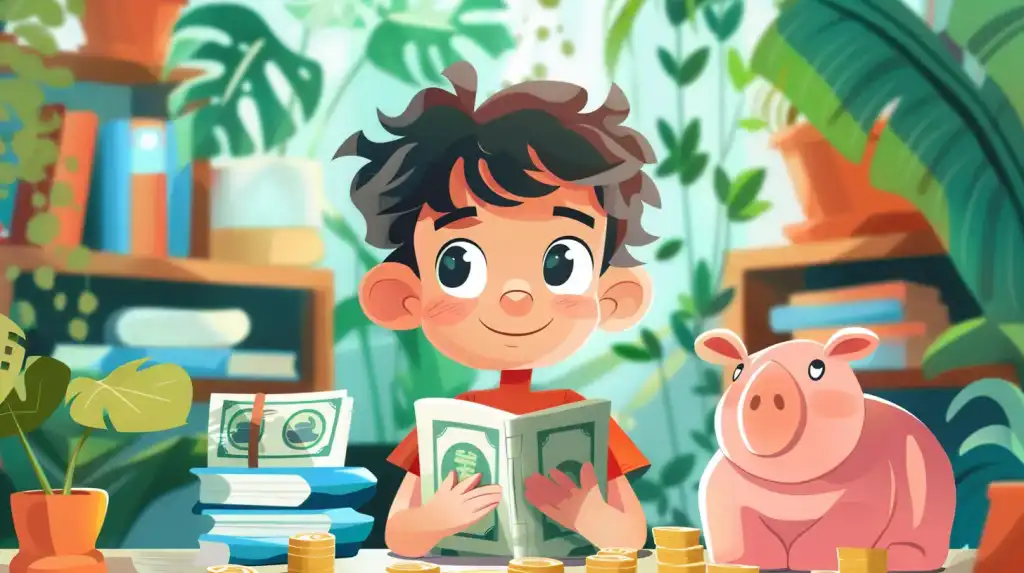
Imagine this: You’re 18, fresh out of high school, and you’ve just received your first paycheck. What do you do? Blow it all on clothes, gadgets, and fast food, or start saving intelligently for future goals? Without a foundation in financial literacy, many young adults struggle with managing money.
Teaching kids about money early on helps them develop healthy financial habits, understand the value of saving, and avoid common pitfalls like debt or reckless spending. It's more than just teaching them to "save for a rainy day"; it's about instilling a mindset of financial responsibility and independence.
Now that we understand why this is important, let’s break it down by age group.
Ages 3-5: The Basics of Money
Start with the Concept of Exchange
At this young age, kids may not fully grasp the idea of money, but they can understand basic exchanges. You can show them that money is something we use to buy things. For example, when you go to the store, involve them in the transaction. Let them hand over the cash at checkout or watch you pay with a card.Remember, kids are like sponges at this stage. They’ll learn by watching, so be mindful of your own spending habits. If they see you stressing over money or impulsively buying things, they may internalize those behaviors.
Introduce the Idea of Saving
Even toddlers can learn about saving. You can give them a piggy bank and explain that every time they receive money—whether it's from a birthday gift or chores—they should put some of it in their piggy bank. It doesn't have to be a lot, but this introduces the concept of saving for something special.Play Money Games
Make learning about money fun! Games like playing "store" at home teach kids the value of money in a playful way. You could give them pretend money and let them "buy" toys or snacks from you. This also helps with counting and understanding that things cost different amounts.Ages 6-10: Earning & Budgeting
Introduce Earning Money
At this age, kids are old enough to understand the concept of earning money. Start by giving them small chores around the house in exchange for an allowance. Whether it’s setting the table or helping with laundry, they’ll begin to see the connection between work and income.Be careful though—don’t pay for every little task; some things should still be done simply as part of being a responsible family member. But offering a small allowance can teach them the value of money and the idea that you have to work for what you want.
Teach Basic Budgeting
Once they’re earning a bit of money, it’s time to introduce budgeting. Keep it simple. You can break it down into three categories:1. Saving: Encourage them to save at least a portion of what they earn or receive. Maybe they’re saving up for a new toy or game.
2. Spending: Let them spend some of their money on things they want. This gives them a sense of autonomy.
3. Giving: Instill the value of generosity by teaching them to set aside a small amount for charity or to help others.
To make it more tangible, you could use three jars labeled "Save," "Spend," and "Give." Every time they get money, they can decide how much goes into each jar.
Play Money-Related Board Games
Board games like Monopoly or The Game of Life are excellent tools for teaching kids about money and decision-making. They’ll learn about buying properties, paying rent, and managing resources—all while having fun!Ages 11-13: Understanding the Value of Money
Introduce the Concept of Compound Interest
At this stage, kids are ready to learn more complex financial concepts, like compound interest. Don’t worry—you don’t need to get too technical. Just explain that when you save money in a bank, the bank gives you extra money called interest. The longer you save, the more interest you earn, and this grows over time.You can even show them an online compound interest calculator where they can plug in numbers to see how their savings could grow over time. Trust me, seeing those numbers rise will get them excited about saving!
Encourage Goal-Oriented Saving
Now’s a great time for kids to start setting short-term and long-term savings goals. For example, if they want to buy a new bike, help them come up with a plan for how much they need to save each week to reach that goal. This not only teaches patience but also gives a sense of achievement once they hit their target.Discuss Needs vs. Wants
This is a crucial concept that kids often struggle with—heck, even adults have trouble with this sometimes! Help them differentiate between "needs" (like food, clothes, school supplies) and "wants" (like the latest video game or a fancy gadget). One way to do this is by having them write down a list of things they want to buy and categorize them. This will teach them to prioritize spending.Ages 14-17: Preparing for Financial Independence
Introduce a Bank Account
By the time they hit their teenage years, kids are ready for more responsibility. Opening a bank account with them can be a great step toward financial independence. Many banks offer teen checking accounts with parental oversight. Walk them through how to deposit money, check their balance, and even use a debit card responsibly.This is also a good time to talk about banking fees and why it’s important to keep track of their account balance. They’ll appreciate learning this before they head off to college!
Teach the Basics of Credit
Credit can be a double-edged sword. On one hand, it’s necessary for building a good credit score, but on the other hand, it can lead to debt if not managed wisely. Explain to your teen how credit cards work, including interest rates, minimum payments, and the importance of paying off the balance in full every month.You might even consider adding them as an authorized user on your credit card to help them start building credit—but only if they’ve demonstrated responsible money habits.
Encourage Part-Time Work
Part-time jobs are a fantastic way for teens to learn the value of hard-earned money. Whether it’s babysitting, mowing lawns, or working at a local store, earning their first paycheck can be a real eye-opener. Plus, having a job teaches them time management, responsibility, and the reality of taxes (that paycheck isn’t as big as it looks after Uncle Sam takes his cut!).Discuss Long-Term Financial Goals
As they approach adulthood, it’s important to start talking about long-term financial goals, such as saving for college, buying a car, or even planning for retirement (yes, that far ahead!). This is a good time to introduce concepts like 401(k)s, IRAs, and the power of investing.You don’t need to go into the nitty-gritty details, but giving them a general understanding of how investing works can set them up for success later on.
Final Thoughts
Teaching kids about money doesn’t have to be boring or overwhelming. The key is to make it age-appropriate and, most importantly, fun! By gradually introducing financial concepts as they grow, you’ll help them develop healthy money habits that will last a lifetime.
Remember, it’s not about making them financial geniuses overnight. It's about giving them the tools and knowledge they need to make smart decisions in the future. So, start small, be patient, and most of all—lead by example!
Got any tips or stories on teaching kids about money? I’d love to hear them! Drop a comment and let’s keep the conversation going.