09 December 2025
If you've been anywhere near the internet over the past couple of years, you've probably heard the term "NFT" thrown around. Maybe you've seen headlines about digital art selling for millions of dollars, or perhaps you've noticed people on social media showing off their new NFT profile pictures. But what exactly are NFTs? Why are they suddenly such a big deal? And how do they fit into the broader context of the digital economy?Grab a cup of coffee, and let's dive into the world of NFTs – what they are, why they matter, and how they just might be shaking up the economy as we know it.
What Are NFTs?
The Basics: NFT Defined
NFT stands for Non-Fungible Token, and while that might sound like a mouthful, the concept is pretty straightforward – at least once you break it down. Let’s start with the word "fungible." When something is fungible, it means it can be easily swapped out for something identical. A dollar bill, for example, is fungible. You can exchange one dollar bill for another, and they both hold the same value.
On the other hand, non-fungible means something is unique and cannot be replaced with something else of identical value. Think of it like a one-of-a-kind painting or a rare baseball card. There's no direct equivalent.
Now, let’s add "token" to the mix. In the context of NFTs, a token is a digital asset that exists on a blockchain – a decentralized digital ledger. So, when you put it all together, an NFT is a unique digital asset that’s stored on a blockchain. It can't be replicated, and its ownership is verifiable.
NFTs vs Cryptocurrencies: What's the Difference?
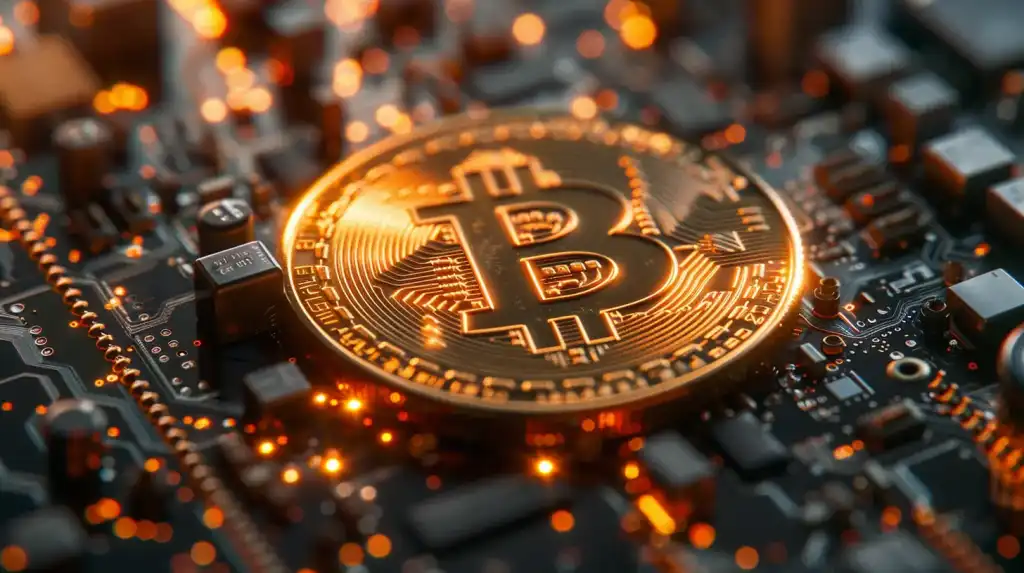
You might be thinking, "Wait, isn't this similar to cryptocurrencies like Bitcoin or Ethereum?" In some ways, yes – both NFTs and cryptocurrencies use blockchain technology. However, the key difference lies in their fungibility. Cryptocurrencies like Bitcoin are fungible. One Bitcoin is equal to another Bitcoin. But an NFT? That’s unique. No two are exactly alike, even if they’re part of the same collection.
If Bitcoin is like digital gold, NFTs are more like digital collectibles.
Why Do NFTs Matter?
The Value of Ownership in the Digital World
In the physical world, we’re used to owning things. Whether it’s a car, a house, or a painting, we understand the concept of ownership. But in the digital world, ownership has always been a bit murky. Sure, you can download a song or a piece of artwork, but do you really own it? Not really. You’re just copying and pasting it across your devices.
That's where NFTs come in. They provide a way to "own" digital assets in a verifiable and secure way. When you buy an NFT, you’re not just buying a digital file – you’re buying the proof of ownership that’s stored on the blockchain. And that proof? It's immutable, meaning it can't be changed or tampered with.
This ability to own a digital item, with verifiable proof, opens up a whole new world of possibilities for creators, artists, and collectors.
Empowering Artists and Creators
One of the most exciting things about NFTs is how they can empower creators. In the traditional art world, artists often have to rely on galleries, agents, or other middlemen to sell their work. These intermediaries take a cut of the profits, leaving the artist with less than they might deserve.
With NFTs, artists can sell their work directly to buyers, cutting out the middleman entirely. Plus, thanks to smart contracts (a feature of blockchain technology), artists can even program royalties into their NFTs. This means that every time their work is resold in the future, they receive a portion of the sale. Imagine if Picasso got paid a percentage every time one of his paintings changed hands – that’s the kind of potential we’re talking about here.
Scarcity and Collectibility
Remember how we talked about non-fungibility earlier? Well, that uniqueness is part of what makes NFTs so valuable. In a world where digital files can be copied endlessly, NFTs introduce scarcity. If there’s only one original digital artwork, and you own it, that scarcity can drive up its value.
This is why we’re seeing NFTs pop up in digital art, music, and even gaming. People are willing to pay top dollar for unique, verifiable collectibles – whether it’s a one-of-a-kind piece of digital art or a rare in-game item.
NFTs and the Digital Economy
A New Way to Monetize Digital Content
So, what do NFTs mean for the broader digital economy?
For starters, they introduce an entirely new way to monetize digital content. In the past, artists, musicians, and creators relied on advertising, sponsorships, or subscription models to make money online. But with NFTs, they can sell their work directly to fans and collectors. This can be especially powerful for independent creators who want to maintain control over their work and revenue streams.
We’re already seeing this shift happen. Musicians are releasing albums as NFTs, artists are selling digital paintings, and even sports teams are minting NFT collectibles for their fans. The possibilities are endless, and we’re just scratching the surface of what’s possible.
The Role of Blockchain Technology
At the core of NFTs is blockchain technology. Without getting too technical, a blockchain is a decentralized digital ledger that records transactions across a network of computers. This ensures that the data is secure, transparent, and immutable – meaning it can’t be altered after the fact.
What does this mean for the digital economy? It means that NFTs provide a trustless system for verifying ownership and transactions. You don’t need a central authority (like a bank or a company) to prove that you own something. The blockchain does that for you.
In essence, NFTs represent the democratization of ownership in the digital world. Anyone with an internet connection can participate, whether they’re creating, buying, or selling.
NFTs in Gaming and Virtual Worlds
One of the most exciting applications of NFTs is in the world of gaming and virtual worlds. In many online games, players collect items like weapons, skins, or characters. In the past, these items were limited to the game itself. But with NFTs, these digital assets can exist outside of the game and be bought, sold, or traded on the open market.
This means gamers can potentially earn real money from their in-game activities. Imagine finding a rare sword in a game and then selling it as an NFT to another player for real-world cash. This kind of economy – where digital assets have tangible value – is already starting to take shape in certain games and virtual worlds.
The Metaverse: A New Frontier
Speaking of virtual worlds, let’s talk about the metaverse. If you haven’t heard of it yet, the metaverse is essentially a collective virtual space where people can interact with each other and digital objects in real-time. Think of it like a massive, 3D version of the internet where you can hang out, work, play, and even shop.
NFTs are expected to play a huge role in the metaverse. In these virtual environments, NFTs can represent everything from digital real estate to clothing for your avatar. Just like how you might buy clothes or accessories in the real world, you’ll be able to buy virtual goods in the metaverse – and NFTs will be the technology that powers these transactions.
Challenges and Criticisms of NFTs
Environmental Concerns
While NFTs have a lot of potential, they’re not without their challenges. One of the biggest criticisms of NFTs is their environmental impact. Most NFTs are minted on the Ethereum blockchain, which currently uses a proof-of-work system. This system requires a lot of computational power – and energy – to operate, leading to concerns about the carbon footprint of NFTs.
However, it’s worth noting that Ethereum is transitioning to a proof-of-stake system, which is expected to be much more energy-efficient. Other blockchains, like Tezos and Polygon, have also emerged as eco-friendly alternatives for minting NFTs.
Speculation and Volatility
Another criticism of NFTs is the speculative nature of the market. Because NFTs are so new, their prices can be extremely volatile. Some people have made millions by flipping NFTs, but others have lost money when the market cooled off. Investing in NFTs can be risky, and it’s important to do your research before putting any money on the line.
Conclusion: Why NFTs Matter in the Digital Economy
NFTs are more than just a passing trend – they represent a fundamental shift in how we think about ownership, value, and creativity in the digital age. By allowing people to truly own digital assets, NFTs are opening up new possibilities for artists, creators, gamers, and investors alike.
While there are still challenges to overcome – from environmental concerns to market volatility – it’s clear that NFTs have the potential to reshape the digital economy in profound ways. Whether you're an artist looking to sell your work, a gamer hoping to cash in on virtual items, or just someone interested in the future of technology, NFTs are worth paying attention to.
So, what do you think? Are NFTs the future of the digital economy, or just another bubble waiting to burst? Only time will tell. But one thing’s for sure – they’re changing the game, and the digital world will never be the same.